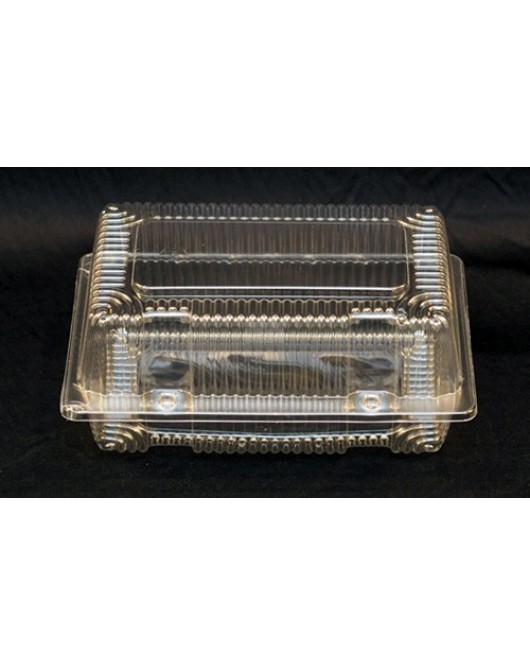
Discover clever ways to organize goods with plastic bulk containers
Understanding Leasing Plans for Mass Plastic Containers: What You Required to Know
Leasing mass plastic containers can be a calculated option for services aiming to take care of costs and effectiveness. Nonetheless, guiding through the intricacies of renting arrangements requires careful factor to consider. Secret aspects such as lease duration, repayment frameworks, and upkeep obligations need to be thoroughly examined. Furthermore, potential concealed charges and the owner's reputation play important functions in creating dependable collaborations. Comprehending these elements is necessary for making informed decisions in an ever-evolving market landscape. What facets should one prioritize to ensure an effective leasing arrangement?
The Benefits of Leasing Mass Plastic Containers
Leasing mass plastic containers offers a practical option for businesses looking for performance and cost-effectiveness. This method allows firms to access high-grade containers without the considerable in advance investment commonly connected with buying. By leasing, organizations can designate funds more effectively, focusing on core operations as opposed to heavy funding expenditures. In addition, renting arrangements usually include maintenance and support solutions, guaranteeing that containers stay in peak problem and minimizing the burden on interior resources.
In enhancement, renting gives flexibility, making it possible for business to change their container stock according to rising and fall demand (plastic bulk containers). This flexibility can result in enhanced supply administration and decreased waste. Furthermore, leasing can assist in access to the most recent container innovations, helping organizations stay competitive in a quickly altering market. Ultimately, the benefits of renting mass plastic containers can enhance operational efficiency, improve capital, and assistance sustainable techniques, making it an appealing choice for various industries

Key Factors To Consider When Choosing a Leasing Arrangement
What variables should services take into consideration when picking a leasing agreement for bulk plastic containers? Companies should review their certain requirements, consisting of the type and amount of containers required, to make certain the arrangement lines up with functional demands. Next off, the lease duration is vital; companies must identify if a long-lasting or short-term lease ideal matches their supply turnover and use patterns.
Cost is an additional considerable factor to consider; organizations need to evaluate the complete cost of leasing, including any kind of concealed fees or costs. In addition, they need to review the vendor's reputation and reliability, as a credible partner can affect the overall leasing experience.

Adaptability also plays an essential duty; businesses might benefit from arrangements that permit modifications in container quantities based on changing needs. Ultimately, reviewing maintenance and assistance options provided by the renting business is vital to guarantee operational connection and decrease disruptions.
Recognizing Leasing Terms
A complete understanding of renting terms and problems is important for services to navigate the intricacies of renting mass plastic containers successfully. Leasing contracts usually consist of crucial elements such as lease duration, repayment frameworks, upkeep responsibilities, and discontinuation conditions. Services ought to carefully assess the lease duration to guarantee it aligns with their operational demands, whether short-term or lasting. Repayment frameworks might differ, consisting of quarterly or regular monthly repayments, and understanding these can substantially impact capital. Maintenance obligations must be clearly specified, as they determine that is liable for repair work and upkeep throughout the lease duration. Furthermore, discontinuation conditions can state conditions under which the lease can be ended too soon, which is necessary for organizations anticipating prospective modifications in need. By thoroughly evaluating these terms, companies can make informed decisions that straighten with their operational requirements and critical goals.
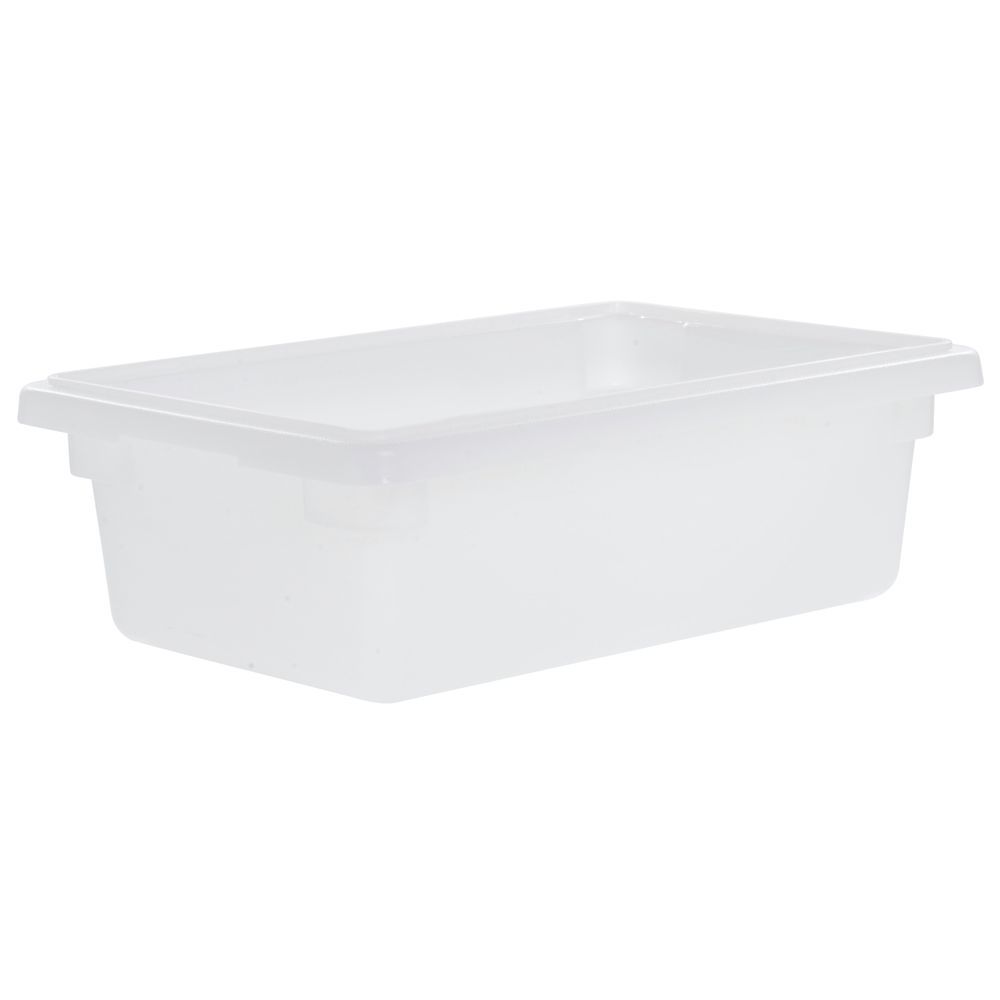
Usual Pitfalls to Prevent in Leasing Program
While maneuvering leasing arrangements for mass plastic containers, businesses typically come across common risks that can bring about pricey errors - plastic bulk containers. One significant concern is falling short to thoroughly recognize the lease terms, which can cause unexpected costs or commitments. Additionally, forgeting the relevance of correct container maintenance might result in costly fixings or fines for damages. An additional regular mistake is not evaluating the overall expense of the lease, consisting of covert costs such as insurance coverage or transport
Companies might likewise forget to evaluate the lessor's online reputation, running the risk of partnership with an unreliable supplier. Not thinking about the adaptability of lease terms can impede operational adaptability. Insufficient documents of the leasing agreement can produce disputes, leading to financial or legal difficulties. By recognizing these challenges, companies can much better prepare themselves to navigate leasing setups much more efficiently and prevent damaging repercussions.
Tips for Working Out the very best Lease Terms
Exactly how can services secure one of the most positive lease terms for bulk plastic containers? Initially, they should perform detailed marketing research to comprehend prevailing terms and prices. This understanding empowers them to negotiate with confidence and recognize competitive deals. Next off, companies can leverage their getting quantity to work out better official website costs, highlighting long-term setups that may profit both parties.
Furthermore, they need to thoroughly evaluate lease contracts, paying attention to provisions regarding upkeep, insurance coverage, and penalties for very early discontinuation. Engaging legal advice for a detailed evaluation can prevent costly misconceptions.
Finally, services need to stay adaptable and open to talking about alternate terms, such as extensive lease durations for reduced month-to-month prices. By approaching arrangements with preparation and a determination to jeopardize, organizations can safeguard lease terms that straighten with their functional demands while minimizing expenses.
Regularly Asked Concerns
Exactly how Do I Determine the Right Amount of Containers to Lease?
To determine the right quantity of containers to lease, one need to analyze existing inventory demands, forecast demand variations, think about lead times, and represent storage space limitations, making sure a suitable equilibrium between supply and operational effectiveness. bulk plastic containers for sale.
Can I Customize the Containers to Fulfill My Particular Needs?
Yes, personalization of containers to fulfill specific demands is frequently feasible. Many leasing business use choices for alterations, enabling customers to tailor shades, features, and dimensions, making sure the containers straighten with functional needs and preferences.
What Takes place if I Need to Return the Containers Early?
If containers the original source are returned early, the leasing contract might state fees or penalties. The business could review the condition why not check here and use, possibly changing expenses based upon the continuing to be lease term and pre-established terms.
Exist Any Type Of Upkeep Obligations for Leased Containers?
Leased containers typically call for the lessee to keep them in excellent problem, addressing minor damage. Major repair work typically drop under the lessor's obligations, yet specifics can differ based upon the leasing arrangement.
How Is the Leasing Price Structured Over the Agreement Duration?
Leasing costs are generally structured based upon the period of the agreement, regularity of settlements, and container requirements. Added variables, such as maintenance and insurance prices, may also affect the total prices plan gradually.